
RC4 vs RC5 vs RC6 Security Shutters: How to Choose the Right Level for Your Facility
When it comes to protecting a commercial or critical facility, few decisions carry as much weight as selecting the right resistance class for your security shutters. The difference between RC4, RC5, and RC6 isn’t just a number on a spec sheet — it reflects the type of threat you’re preparing for, the tools an attacker might bring, and the time your security perimeter needs to hold.
Understanding where your facility sits on that spectrum is the first step toward making a decision you won’t have to revisit after an incident.
What the RC Classification Actually Means
The RC (Resistance Class) system is defined under European standard EN 1627:2011, which governs the burglar resistance of doors, windows, shutters, and curtain walling. Each class is determined through a series of physical tests — static pressure, dynamic impact, and manual attack attempts using progressively more sophisticated tools.
RC1 through RC3 are designed for standard residential and light commercial applications, where the primary threat is opportunistic or low-skill intrusion. RC4, RC5, and RC6 operate in a different category entirely. They exist for environments where the threat is premeditated, the attacker is experienced, and the tools being used are serious.
The standard is explicit about this: the three upper classes are intended for locations with a high or very high probability of attack — banks, jewelers, museums, embassies, data centers, government facilities, and high-value logistics operations.
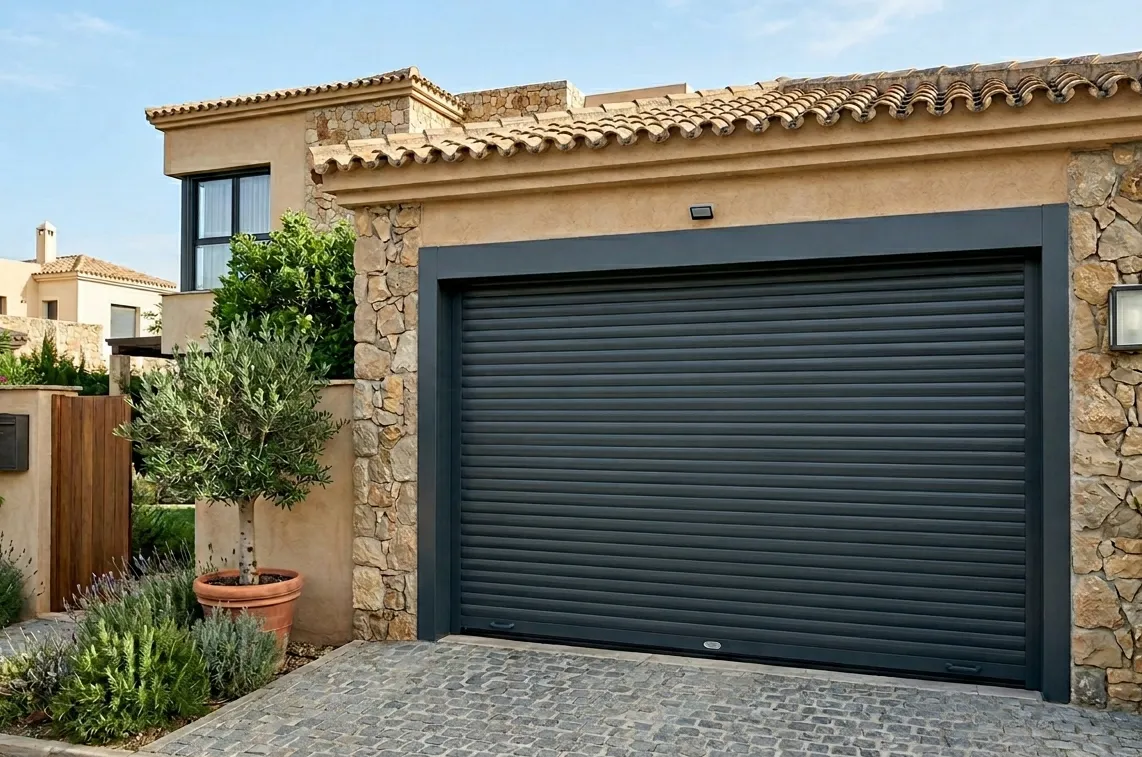
RC4: The Professional Threshold
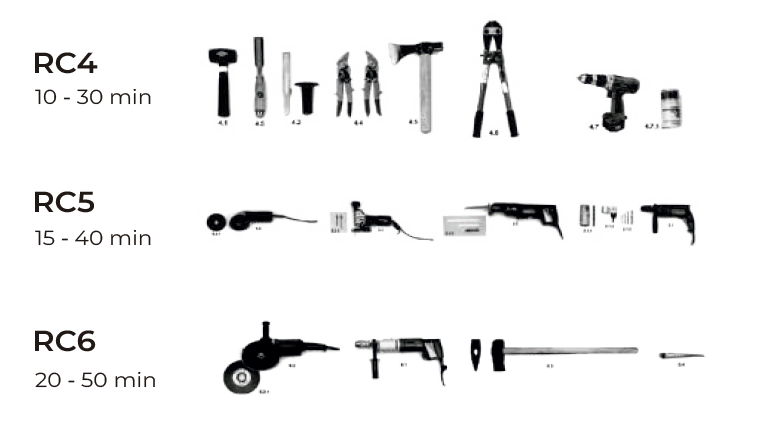
RC4 represents the entry point into high-security territory. At this level, the element must withstand attack by an experienced burglar using powerful tools: angle grinders, circular saws, drilling machines, and similar equipment. The test duration extends significantly compared to lower classes, and the attack is no longer exploratory — it assumes knowledge of the target.
Facilities that typically require RC4 protection include retail jewelry stores, pharmacies, currency exchange offices, and mid-tier commercial premises in urban areas with elevated theft exposure. It’s also a sensible baseline for any facility that stores high-value inventory or equipment, even if the location itself isn’t considered a prime target.
The key phrase here is baseline. RC4 is where meaningful protection begins for professional-grade threats, but it is not the ceiling for high-risk environments.
RC5: For When the Stakes — and the Tools — Go Up
RC5 assumes a higher level of criminal sophistication and preparation. Attackers at this level arrive with high-powered cutting tools including motor-driven grinders and saws capable of sustained, aggressive cutting. The testing protocol demands that the element resist these attacks for a defined period, long enough that the intrusion becomes operationally unfeasible.
This class is appropriate for facilities where the value of what’s being protected justifies significant investment in tools and planning on the attacker’s side. Think: bullion storage, large-scale cash handling, pharmaceutical warehouses, high-end watch retailers, or any location that has previously been targeted or identified as a recurring objective.
RC5 shutters also make sense for facilities that function as a primary security perimeter — where there’s no secondary containment layer behind the shutter, and the shutter itself is the last line of defense.
RC6: Maximum Resistance, Exceptional Circumstances
RC6 is the highest class defined in EN 1627 and it’s reserved for facilities that face an organized, well-resourced threat. Testing at this level includes attacks with high-powered tools applied with significant force over extended periods. The element must show no penetration — not a breach that can be forced wider, not a partial failure, nothing.
The facilities that specify RC6 are typically those operating in environments where the consequences of a breach go beyond financial loss: government installations, embassies, military-adjacent facilities, critical infrastructure nodes, and private vaults. In some cases, RC6 shutters are specified alongside ballistic and blast protection, creating a layered system designed to withstand a coordinated attack.
It’s worth noting that RC6 protection at the shutter level is only one component of a broader security architecture. Physical resistance needs to be matched with detection systems, response protocols, and — where applicable — blast and ballistic ratings that address parallel threat vectors.
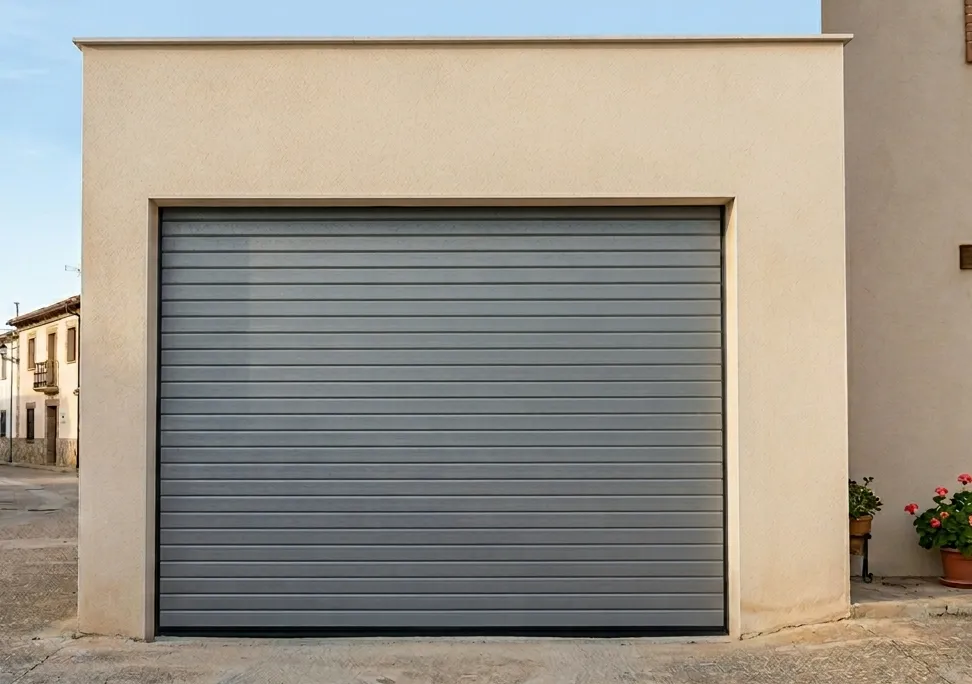
The Decision Framework: Matching Class to Facility Risk
Choosing between RC4, RC5, and RC6 is ultimately a risk calibration exercise. The relevant variables are:
Asset value and attractiveness. The higher the value of what you’re protecting — and the more visible or known that value is — the more justification there is for RC5 or RC6. A facility known to store significant cash or precious metals is a different proposition from one that simply contains expensive equipment.
Location and accessibility. A standalone building in an isolated area gives an attacker more time to work. Urban locations offer less dwell time but may attract more frequent attempts. The geometry of your risk profile matters.
Prior incidents or threat intelligence. If a location has been targeted before, or if credible threat intelligence suggests it’s on someone’s list, the appropriate response is to move up the classification, not to assume past events were anomalies.
Regulatory or contractual obligations. Some sectors — financial institutions, government contractors, certain insurance categories — carry mandatory minimum security standards. Before specifying any class, verify what your obligations are.
Layering with other protections. A facility that combines RC4 shutters with robust electronic surveillance, rapid response, and access control may achieve a comparable real-world security outcome to a facility relying on RC5 shutters alone. The classification doesn’t exist in a vacuum.
A Note on Specification and Certification
One thing worth emphasizing: the RC classification is only meaningful when it’s verified through independent testing and certification. A shutter manufactured to RC5 tolerances but never certified is a shutter you can’t stake your security on. When evaluating products, ask for test certificates — not just claims — and confirm that the installation methodology matches the conditions under which the element was tested. A certified shutter improperly installed will not perform to its rated class.
CBX Security’s high-security shutters cover the RC3 to RC6 range, with all units independently certified under EN 1627:2011. Products in the SECURBAIX range address RC3 and RC4 requirements, while the DIAMOND and DIAMOND BL X-TREME lines extend to the highest resistance levels, including combined protection against ballistic and blast threats where projects require it.
The Right Level Is the One That Matches Your Actual Risk
There’s no universal answer to which resistance class is correct. RC4 is appropriate and sufficient for a great many applications. RC5 handles a more demanding threat profile. RC6 exists for the situations where the risk genuinely justifies it, and where anything less would be an inadequate response.
The mistake to avoid is treating security class as a budget line item to be optimized downward. A shutter that isn’t rated for the threat it will eventually face isn’t protection — it’s a delay, and not always a meaningful one. Getting the specification right from the start is considerably less expensive than the alternative.
If you’re working through a specification decision and need to map your facility’s risk profile against the right product range, the CBX team is available to work through the details with you.