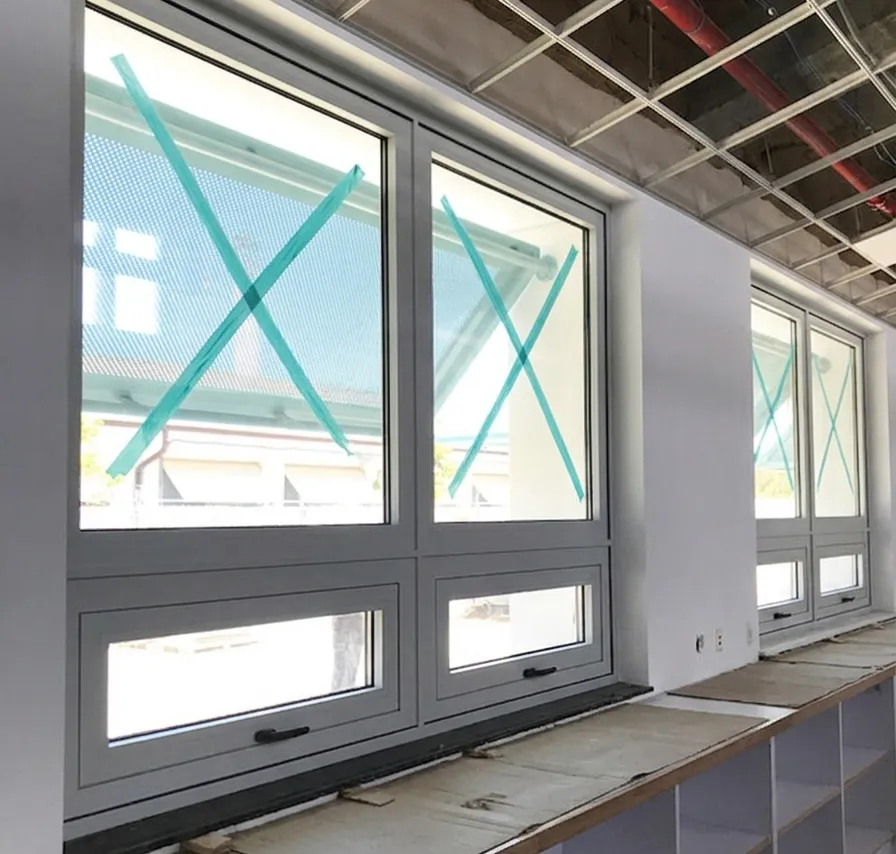
Bulletproof Windows and High-Security Glazing: Technical Specifications for B2B Projects
A standard window — even double-glazed or reinforced — is not designed to stop a projectile or resist a sustained forced entry attempt. Under ballistic impact it fractures and fragments. Under a professional intrusion attempt with power tools it yields within minutes. A high-security glazing system is engineered to do neither: it absorbs impact energy, maintains panel cohesion, and continues functioning as a certified barrier after the initial attack.
The difference is not glass thickness. It is the composition of the panel, the bonding between layers, the framing system, and whether the complete assembly has been tested under a recognised standard at a defined threat level — not just described as reinforced.
CBX manufactures high-security windows and glazed carpentry certified to EN 1522 and EN 1627, covering ballistic resistance from FB2 to FB7 and intrusion resistance at RC2 and RC4. Systems are also certified to EN 12424 Class 5 for wind load resistance, which is relevant for coastal and high-altitude installations.
How ballistic glazing works
Ballistic glazing panels combine layers of laminated glass and polycarbonate in a structure that distributes impact energy across the surface rather than concentrating it at the point of contact. Laminated glass provides structural rigidity and resistance. Polycarbonate, more flexible, absorbs residual energy and prevents penetration.
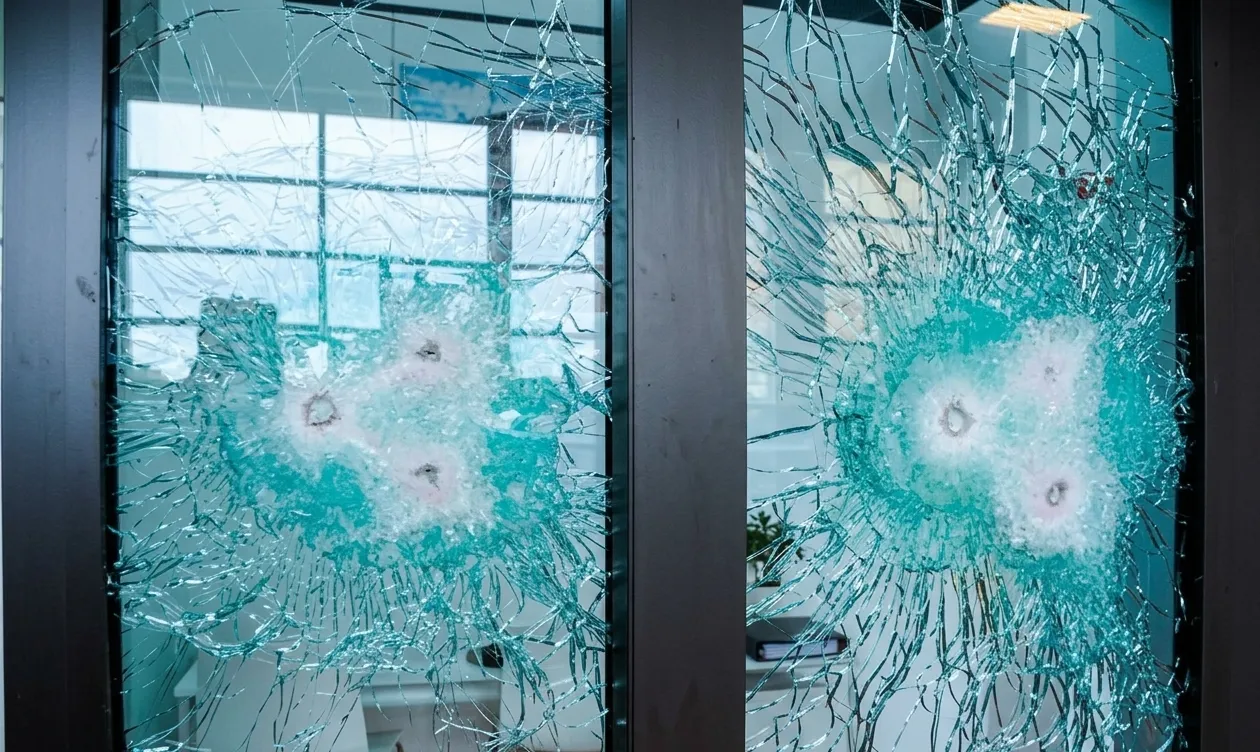
The result is a panel that after absorbing an impact may show surface deformation but maintains its integrity as a barrier. No breach opens. No fragments are projected inward. In multi-layer configurations the panel can withstand successive impacts without losing that function — which is the relevant scenario in a real attack, not a single controlled shot.
The framing system is as important as the panel itself. A ballistic panel mounted in standard aluminium framing does not maintain its certified protection level in a real installation. The weak point becomes the joint between panel and frame, and the anchoring of the frame to the wall. CBX designs and manufactures the framing alongside the glazing, so the certified level applies to the complete installed assembly, not only to the panel tested in isolation.
Certifications
EN 1522 classifies ballistic resistance for windows and glazing elements. CBX systems are certified at FB2, FB4, FB6, and FB7. FB2 covers low-calibre handguns. FB4 covers high-calibre handguns including .44 Magnum. FB6 and FB7 cover rifle ammunition including high-powered assault rifles. Each level defines the calibre, projectile velocity, and number of impacts the panel must resist without penetration or dangerous spalling on the protected side.
EN 1627 classifies resistance to forced entry using manual and power tools. CBX windows and glazed carpentry are certified at RC2 and RC4. RC2 is tested against experienced attackers using basic tools — screwdrivers, chisels, wedges — for a defined time period. RC4 is tested against experienced attackers using power tools including drills and jigsaws. The distinction matters in practice: a window that resists opportunistic break-in attempts is not the same as one that resists a professional targeted intrusion.
EN 12424 Class 5 covers wind load resistance. For installations in coastal environments, high-altitude buildings, or regions with significant wind exposure, this certification confirms the system maintains structural integrity under sustained wind pressure. This is the relevant specification for projects in the Canary Islands, coastal Middle East, or any exposed facade.
Applications by sector
In banking, high-security glazing protects teller positions, cash handling areas, and public-facing service counters where staff are directly exposed. The typical specification for retail banking is FB4 combined with RC4 — resistance to high-calibre handguns and professional intrusion tools. CBX glazing integrates into standard architectural framing without visual difference from a conventional window, which is a specific requirement in bank branch design where security must not communicate vulnerability to customers.
In embassies and government buildings, requirements are defined by the contracting authority. FB6 and FB7 specifications are standard for perimeter glazing in high-risk diplomatic installations. These projects require full certification documentation for each component and in many cases independent verification of the manufacturing process. CBX provides complete technical documentation packages for projects with these requirements.
In luxury retail — jewellery, watchmakers, high-value goods showrooms — the priority is ballistic and intrusion protection without compromising display transparency. Current FB4 and RC4 glazing achieves optical clarity comparable to standard glass. A jewellery store on a high street and a diplomatic facility have different threat profiles but the same requirement: protection that does not announce itself.
In corporate headquarters and critical infrastructure — data centres, financial trading floors, secure operations centres — glazing forms part of a layered physical security system alongside armoured doors, access control, and perimeter protection. CBX works on these projects as an integrated solution provider across all physical security elements, not as a single-component supplier.
In residential high-security projects — private villas, high-value properties in isolated locations — RC4 glazed carpentry combined with FB4 ballistic panels provides a level of protection that standard residential security systems cannot match. In the Canary Islands, where properties are frequently in isolated locations with longer emergency response times, this specification is increasingly relevant for clients who require genuine physical protection rather than deterrence alone.
Integration and specification process
Every high-security glazing project starts with a threat assessment: what is the realistic attack scenario, what level of protection is required, and what standard applies given the geography and client type of the project. Specifying FB7 for a commercial office building adds cost without adding relevant protection. Specifying FB2 for an embassy perimeter is inadequate. The correct specification requires matching the certified level to the actual threat profile.
CBX works directly with architects, security consultants, and facility managers during the specification phase to define the correct panel composition, framing system, and anchoring for each opening. This includes reviewing architectural drawings, identifying structural constraints, and confirming that what is specified can be installed and certified correctly in the final construction.
If your project requires high-security glazing — banking, government, corporate, luxury retail, or high-value residential — the starting point is a zone-by-zone review of openings, threat levels, and applicable standards. Request technical documentation or project consultation